
Nelson Mandela Metropolitan University (NMMU) demonstrated its commitment to equal access by ensuring that all its buildings, including those on the Missionvale Campus, would accommodate the needs of individuals with physical disabilities. When NMMU took over the Missionvale Campus, it became clear that the existing infrastructure did not align with the university’s values of participation, inclusivity, and social responsibility. The firm NOH was engaged to address the challenge of making the campus fully accessible to all.
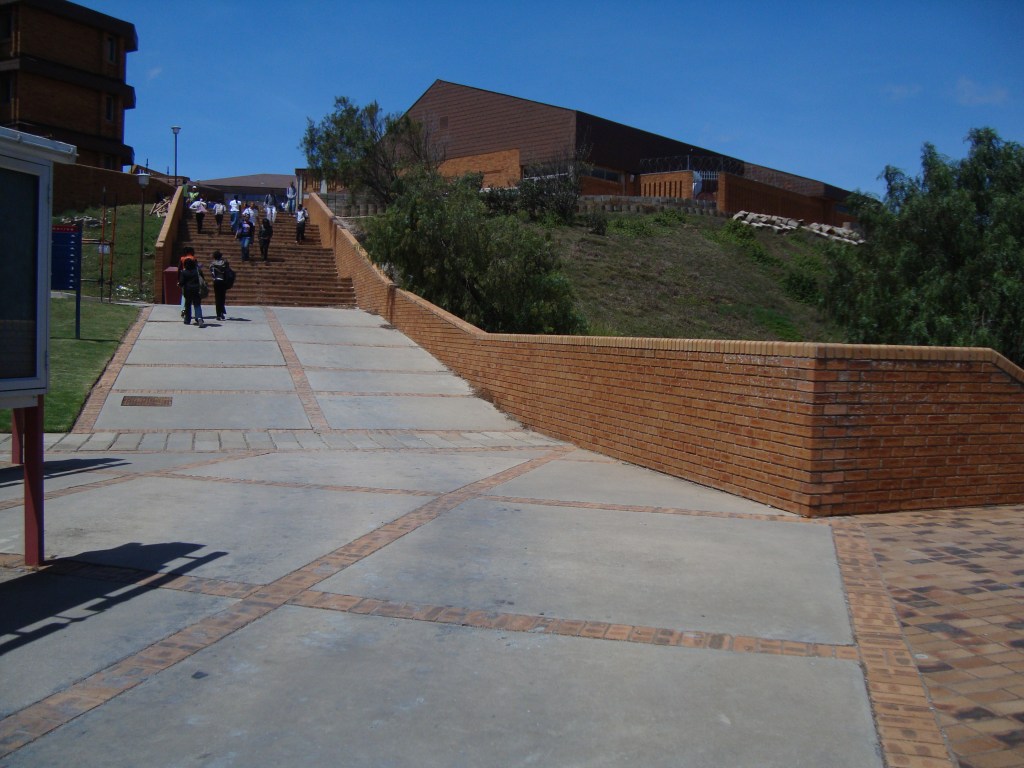
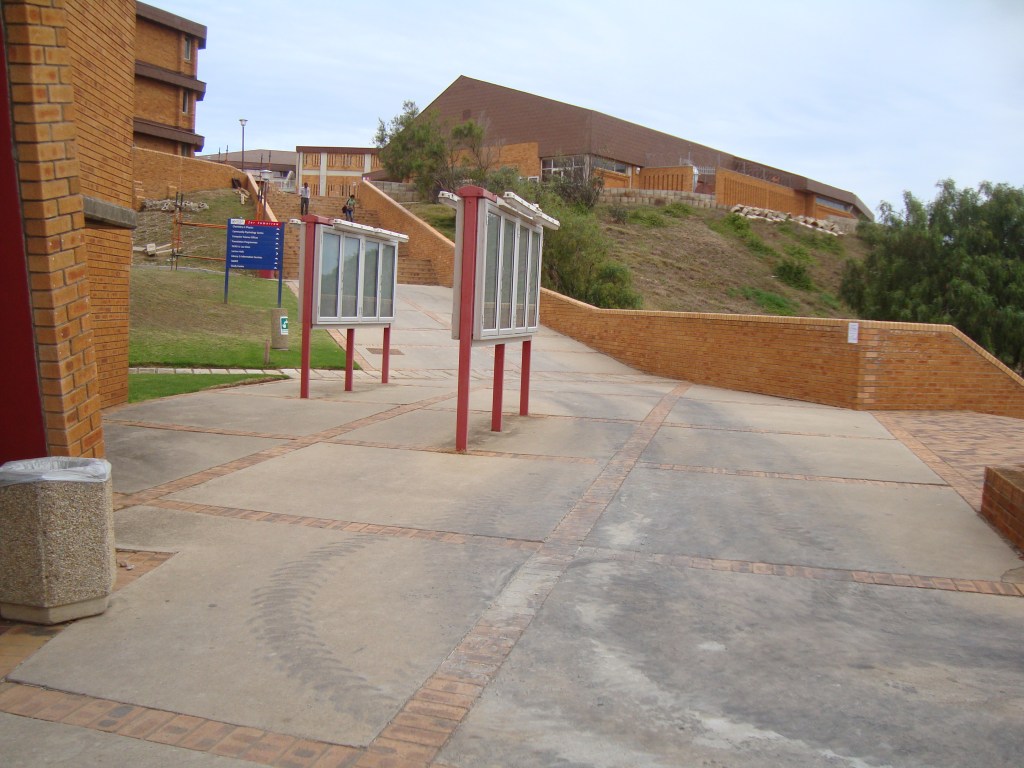
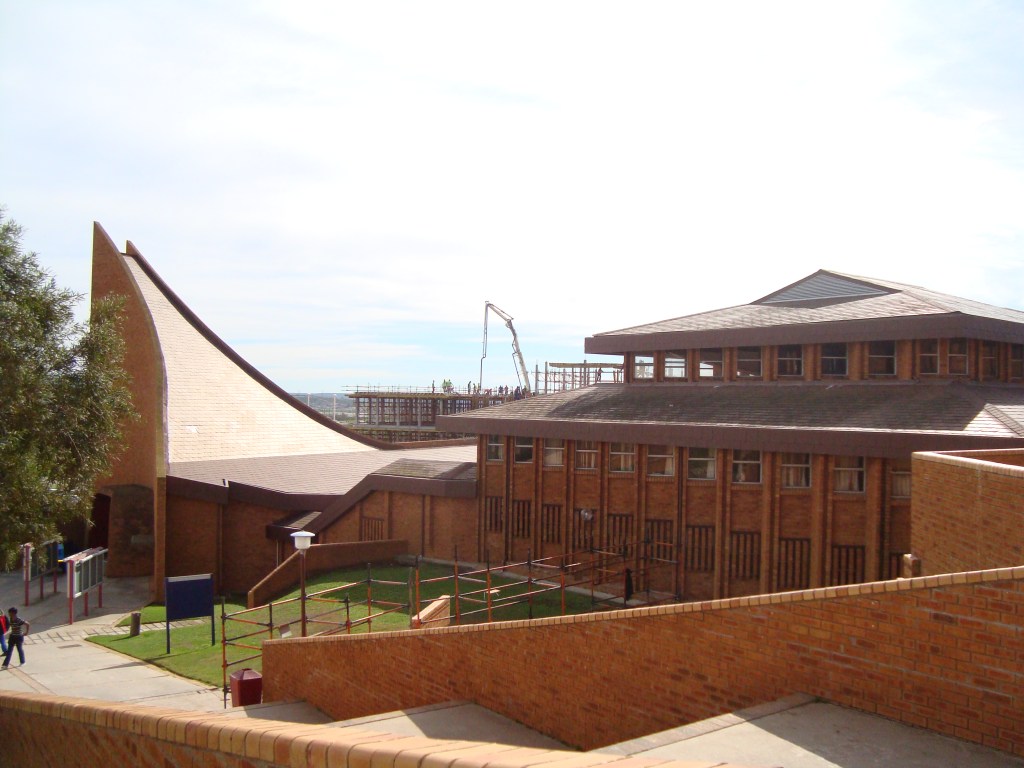
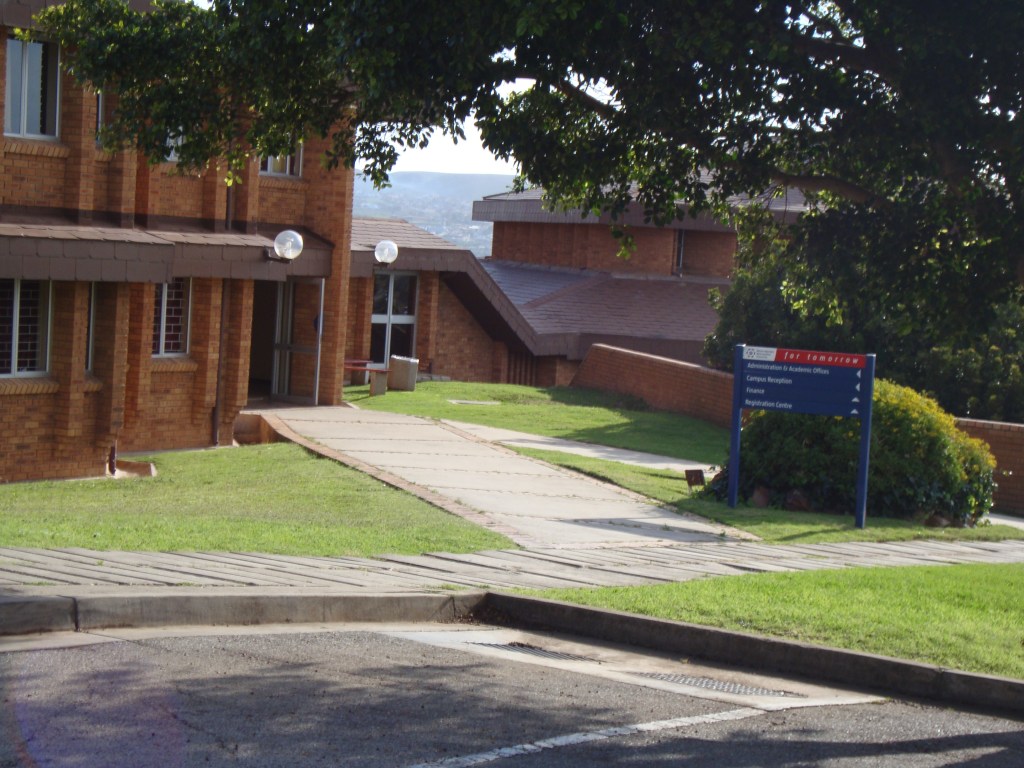
The Missionvale Campus, characterized by a large area with significant elevation differences of up to 12 meters and buildings ranging from one to three stories, was not wheelchair-friendly. There were no lifts or hoists, and although a few ramps were present, they were insufficient to ensure full accessibility across the campus.
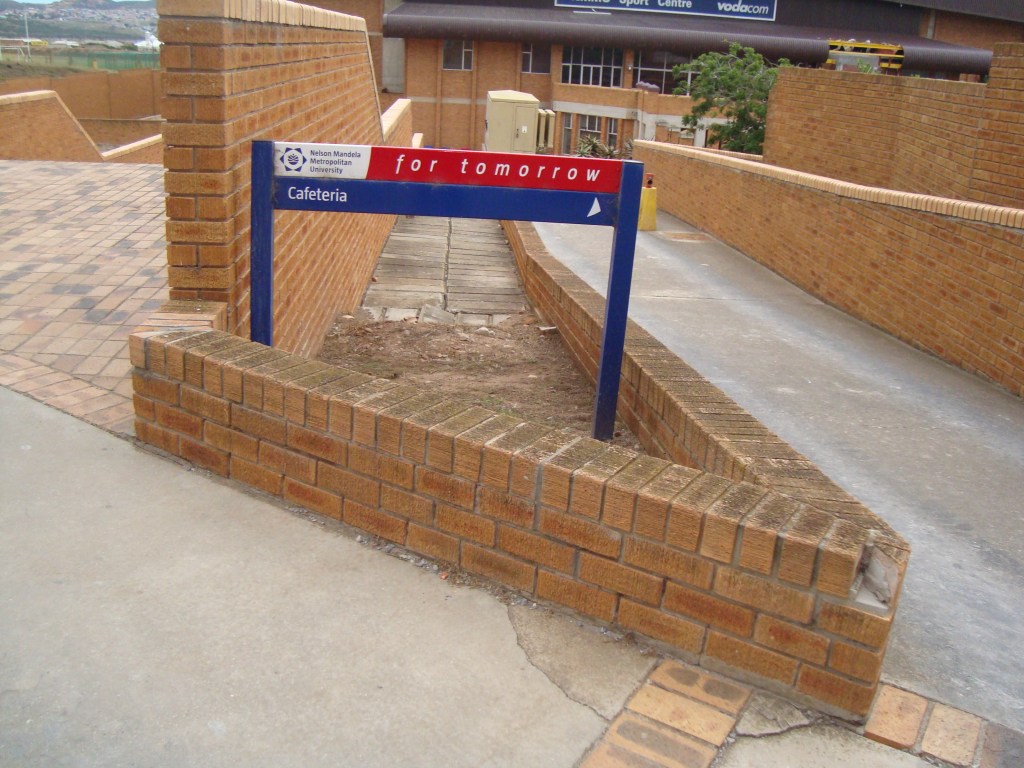
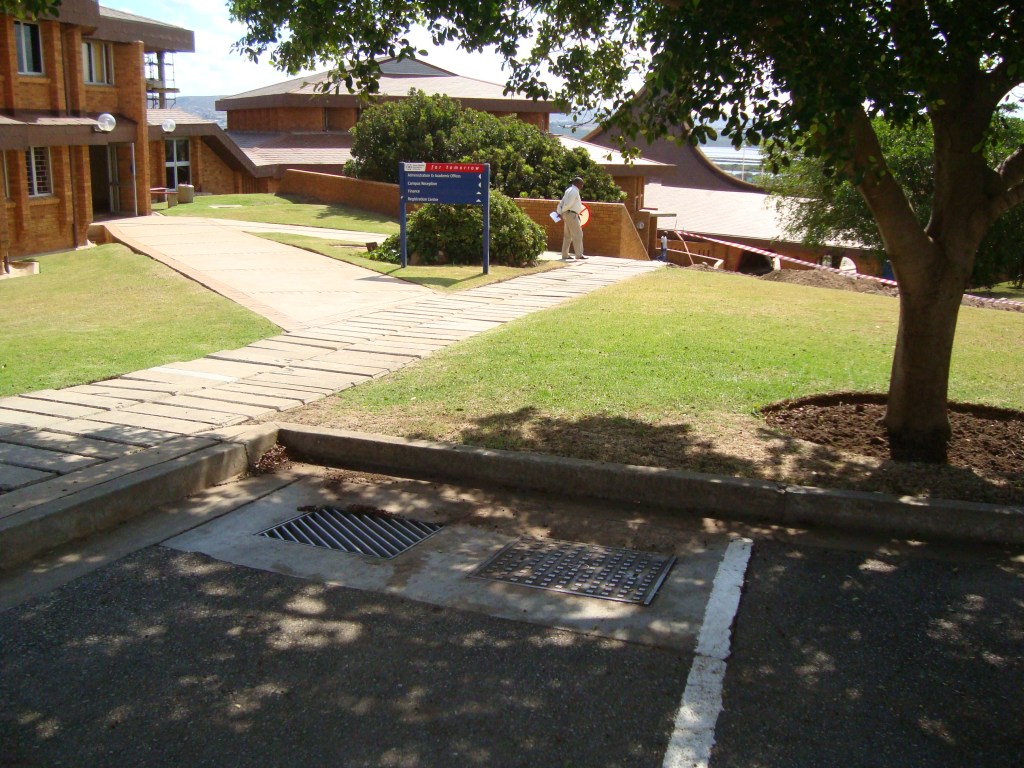
A comprehensive site analysis identified areas that were already accessible and where the installation of lifts, hoists, and ramps would be necessary. Four double-storey buildings were earmarked for hoists, and three triple-storey buildings required lifts. Given the limitation of hoists to vertical travel of up to four meters, more detailed planning was essential. Two new ramps were designed, and modifications were made to two existing ramps to meet accessibility standards.
A particular challenge arose in one area with a 6.20-meter elevation drop, which would have required an impractically long ramp of over 75 meters. Instead, a bridge was designed to connect the uppermost level of the site to the second floor of the Academic Building, providing a practical and efficient solution to improve campus accessibility. This approach ensured that the Missionvale Campus would be fully navigable for individuals using wheelchairs and other mobility aids, reflecting NMMU’s commitment to inclusivity.







 noh ARCHITECTS