
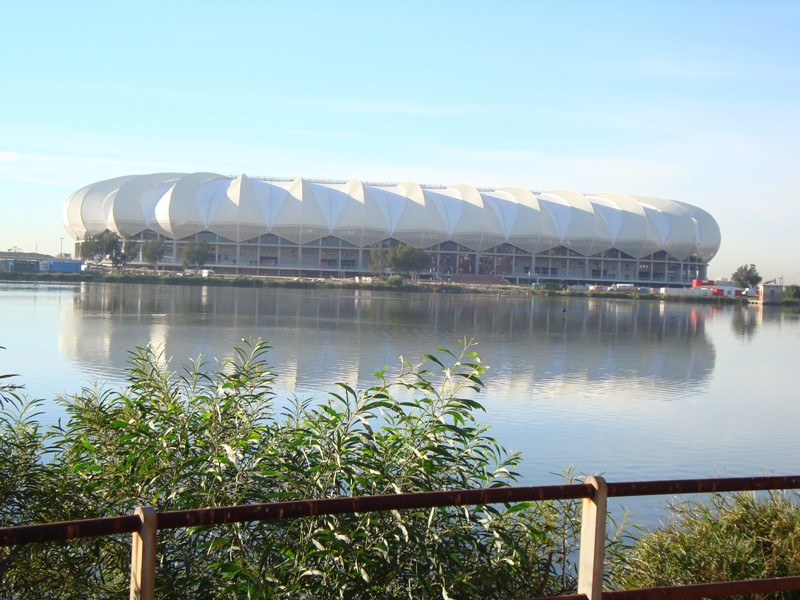
Urban design work around North End Lake, Prince Alfred and Milner, from the time the stadium was being built, and why so much of it is still waiting.
When Nelson Mandela Bay Stadium went up in 2009 for the 2010 FIFA World Cup, most people’s attention was on the stadium itself. But a lot of design work was also done on the streets and public spaces around it: the road network along Fettes Road, Prince Alfred, Milner and Neil Boss, and the edge of North End Lake. Some of that work was built. Some of it wasn’t.
That’s the nature of urban design. It’s often frustrating work, because it can take years to come into effect, and sometimes it never does.
A lake the city hasn’t used
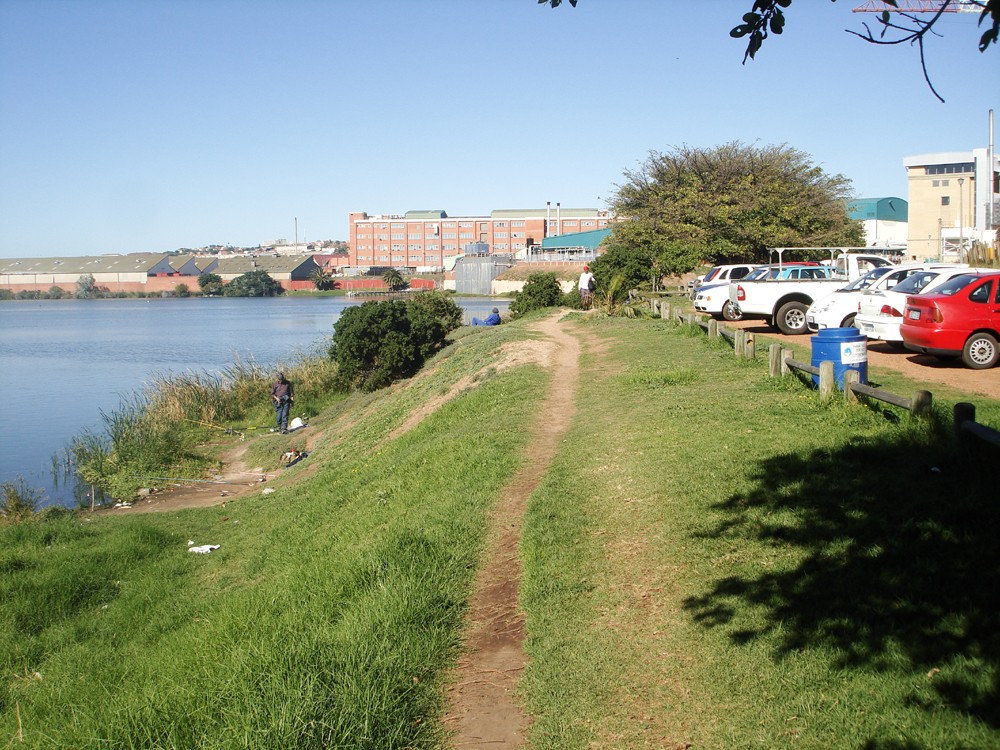
North End Lake is a beautiful freshwater lake, right beside the stadium. Stand at the water and you see the contrast straight away: on one side a carefully finished stadium and public realm, and on the other a water’s edge that has hardly been touched.
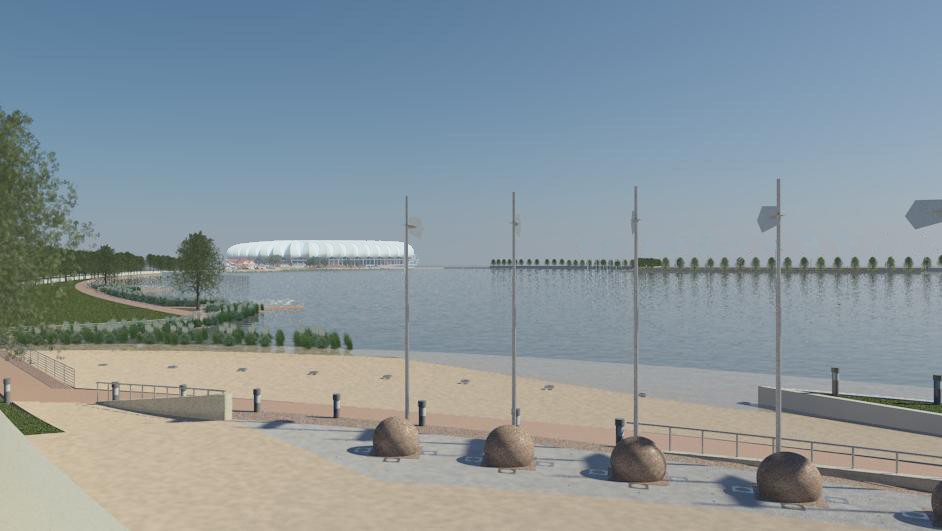
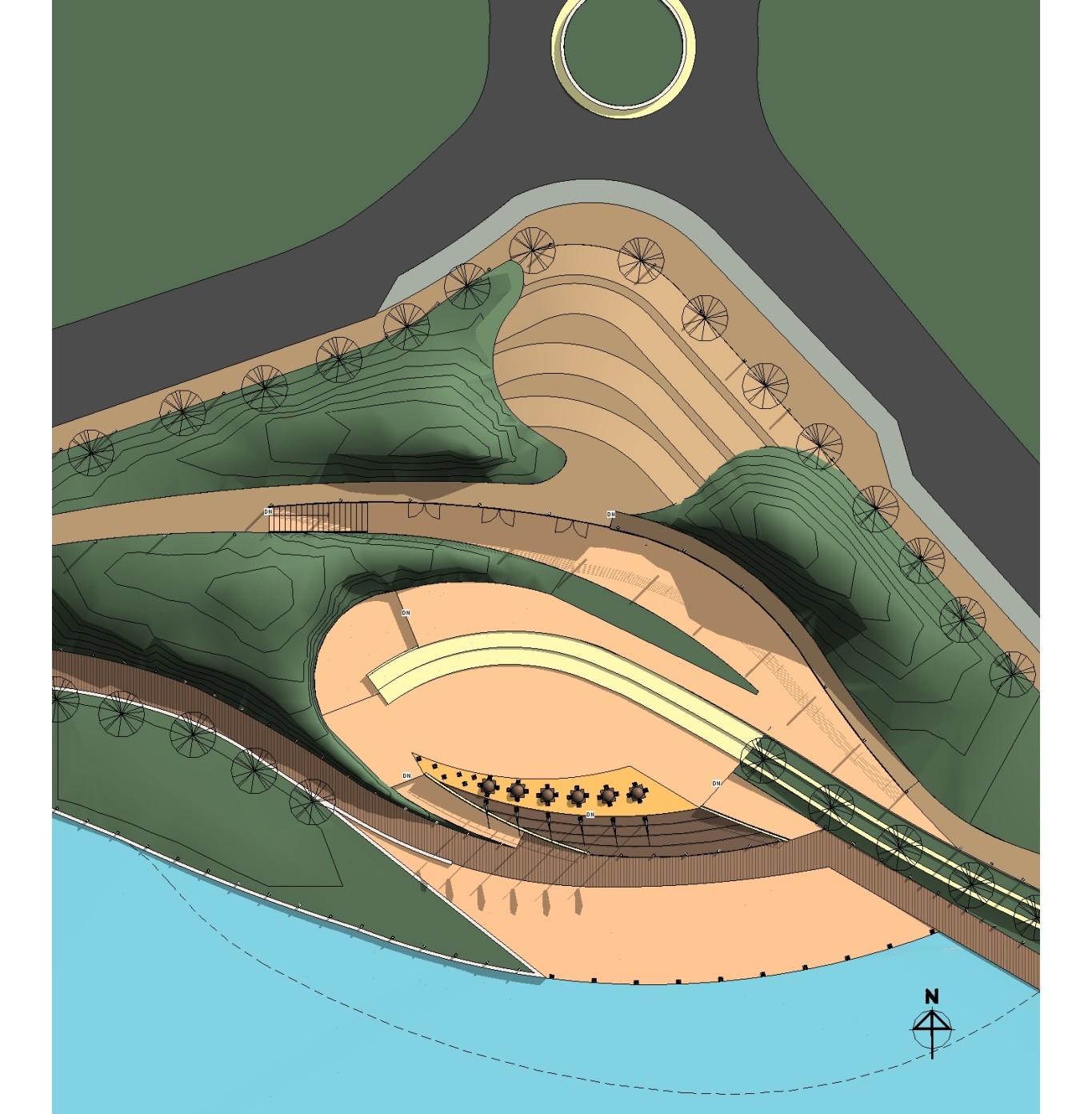
The vision we developed was to turn that edge into a series of walkways and public meeting places, so that people could actually use the water’s edge.
A continuous path around the lake
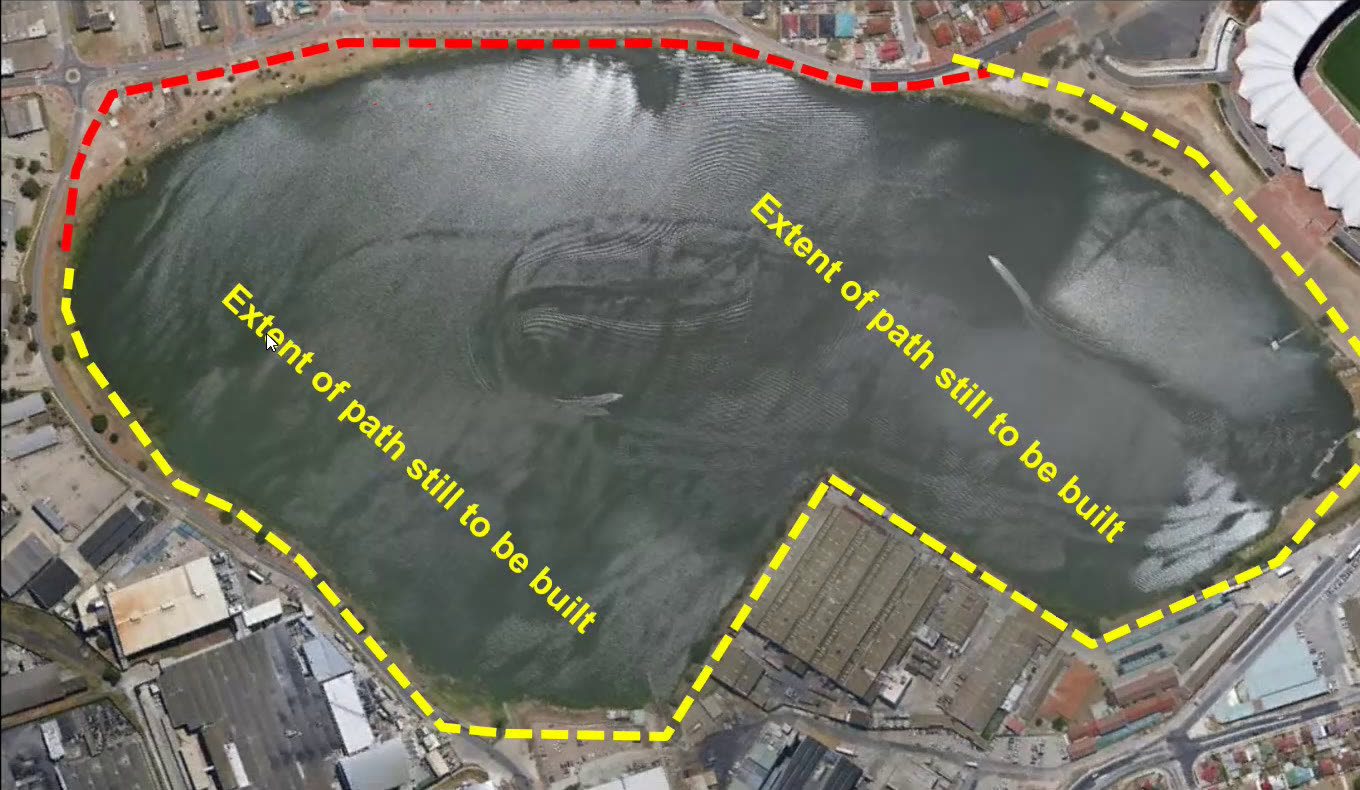
When the work started there was a path from the stadium along part of the shore to the corner of Neil Boss. Our investigation showed that much more was possible: a continuous cycle and pedestrian route could run all the way around the lake. That would make the lake a feature in its own right, a new public park on the water’s edge that could host park runs and any number of other public activities.
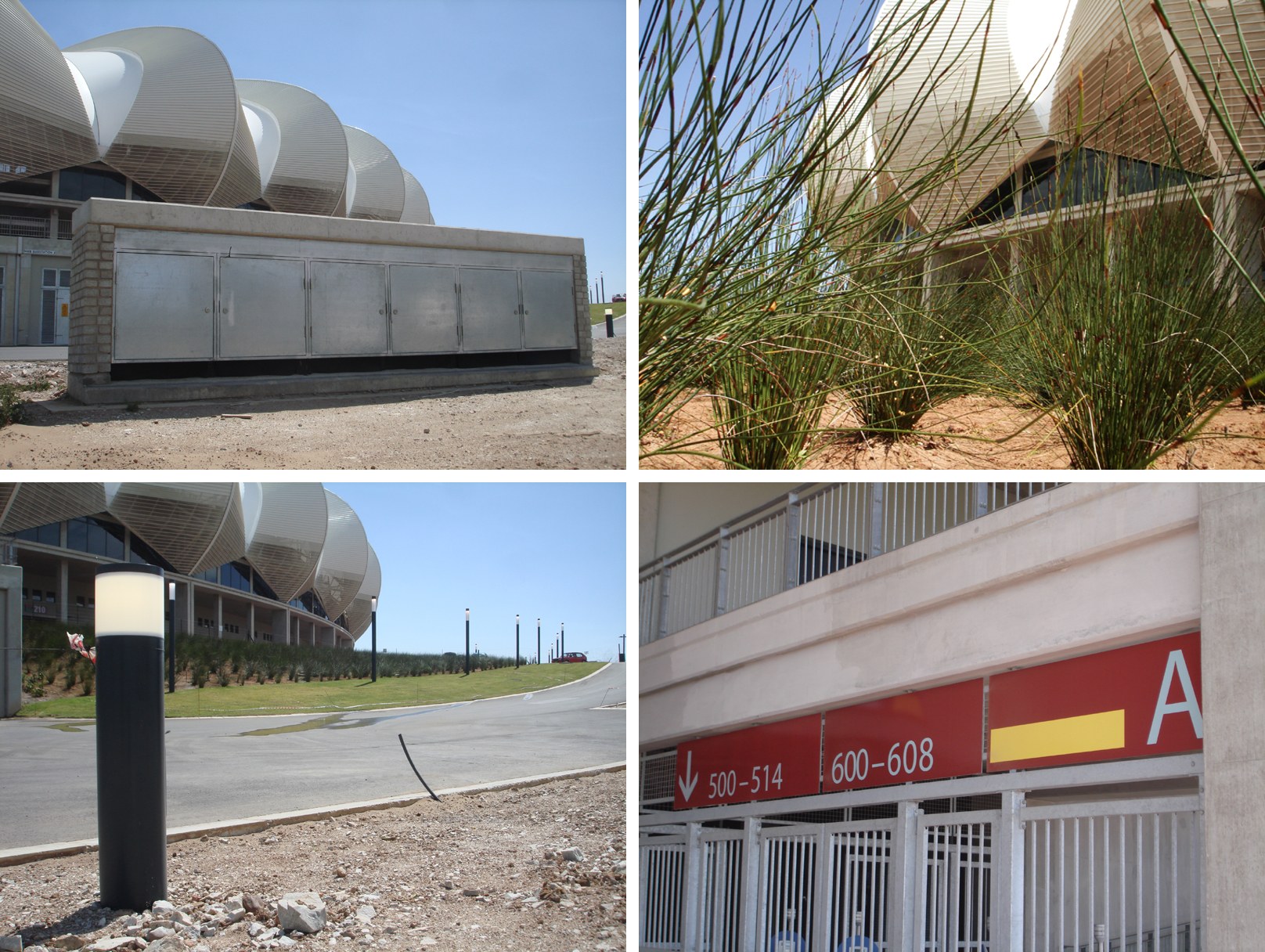
The idea was to carry the stadium’s colour and texture palette all the way around the lake, so the precinct would read as one place. Some of it was built: pedestrian safety measures, walkways, light fittings and tree planting, with the species chosen to match that palette.
The space was already there
The biggest opportunity, though, was never taken up. Large industrial sites push into the lake and block off the water’s edge. How that was ever allowed, we don’t know.
What we did find was that there was physically enough space for a walkway all the way around. Some industries had probably closed off access to keep criminals out. The route was degraded, but it existed. No new land would have been needed.
So we set out to show the city what that could mean: turning accidental pathways and missing facilities into something formal that ordinary people could use every day, and that would show off the value of the North End Lake precinct alongside the stadium during big events. This was a paid appointment: we were appointed by the Nelson Mandela Bay Municipality to carry out the investigation.
Still underused today
Sadly, the lake is still degraded and underused today. People fish there, which is great and could become a proper leisure activity. There’s some canoeing and a bit of sailing. But the strip of land between the road and the water could be developed, and it deserves to be.
We looked in some detail at piers, walkways, amphitheatres, swimming, braai areas and fishing spots. The lake is an asset the city isn’t using to anything like its full extent.
Institutions forget
What saddens me most is that this thinking has been lost. Institutions often have no memory. Politicians come and go, officials come and go, and the work that has already been done to test the feasibility of important projects, like a continuous walkway around the lake, is forgotten.
So every time someone new arrives, they want a new investigation. They don’t know what has already been worked through, what council has in many cases already approved, or what has already been workshopped with local communities.
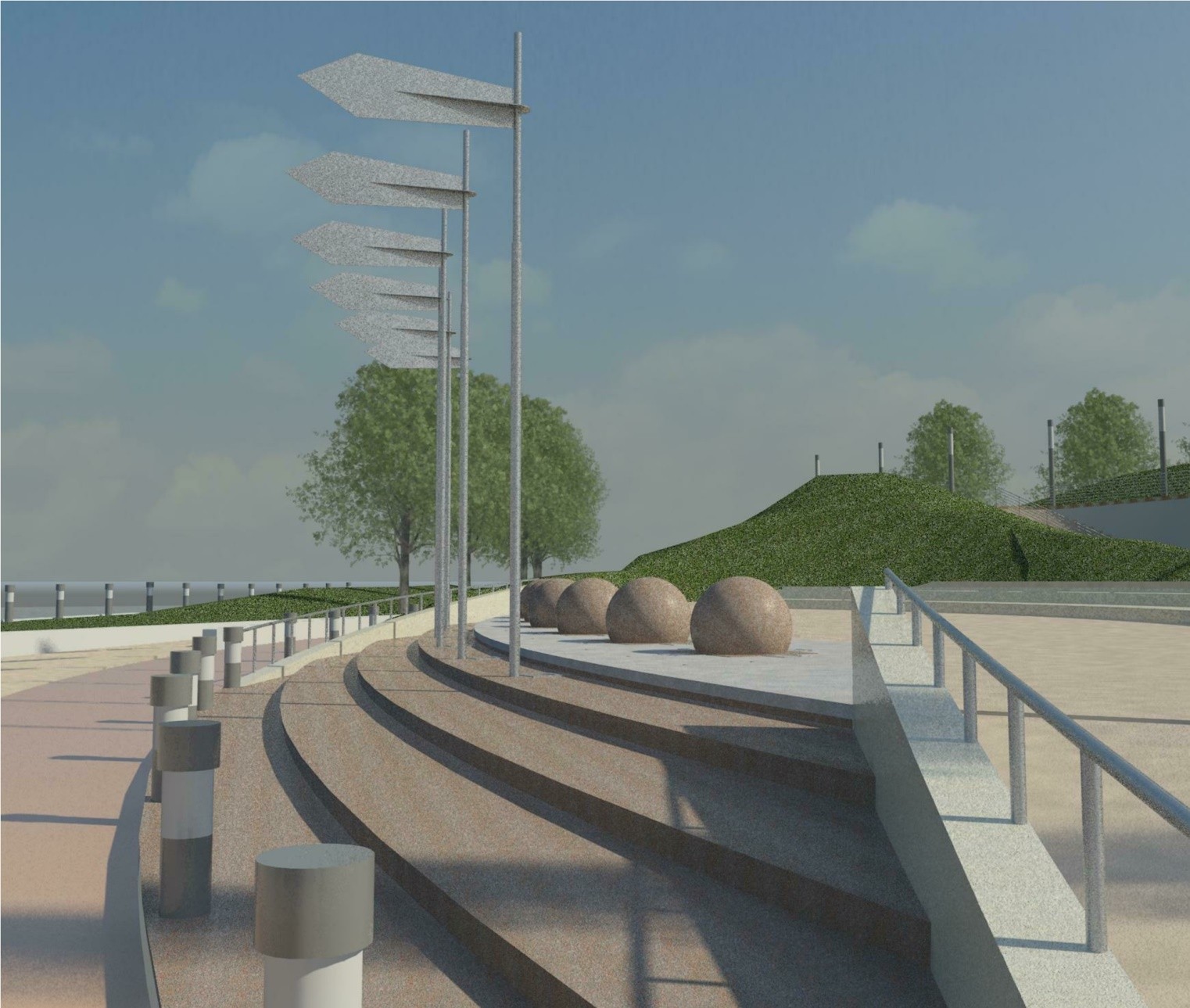
We’d still love to see this walkway built. I’m telling this story partly as an example of what it’s like to work as an urban designer and architect in the public realm: the satisfaction of the work, and the sadness of not seeing everything you’d hoped for actually happen.
Let’s keep talking about our cities as often as we can.
— Tim Hewitt-Coleman
Founding Director, noh ARCHITECTS
Gqeberha, Eastern Cape
See the project page: Prince Alfred–Milner – North End Lake (2010)

